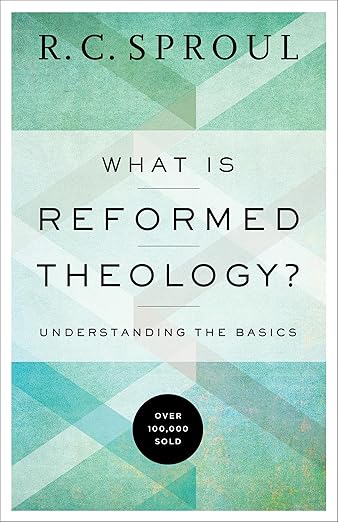
What Is Reformed Theology? — R.C. Sproul
What Is Reformed Theology? by R.C. Sproul was truly an enlightening read, and one I'd call essential. Sproul walks through the foundation of Reformed doctrine and the five points of Reformed theology in detail, laying out the conflicting views and addressing the misconceptions along the way. Even though I am not a preacher, he explains it in such a way that anyone who picks up this book could understand it. As a Christian, I still struggle sometimes with sin and doubt, and I find myself asking, “am I truly saved?” Some of the points discussed here spoke directly to those fears and cleared up a lot of my confusion. Ultimately, it's a clear reminder of the beauty of God's grace.
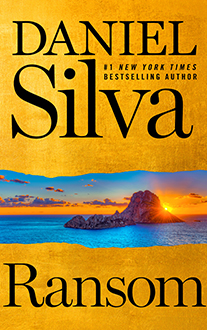
Ransom — Daniel Silva
This is another fun and exciting installment in the Gabriel Allon series. My rating may reflect a personal bias toward the main character, but I offer no apologies for that. Gabriel Allon is pulled into action when the wife of a billionaire mogul disappears while on vacation in Ibiza, and he's asked to help search for her. What starts as a kidnapping investigation unravels into something far bigger: a threat to national security and an assassination attempt during a summit of world leaders. I always enjoy the cat-and-mouse game, the execution of operations, the fails and successes: it's like a puzzle told in story form. Since it's also contemporary, Daniel Silva weaves in pieces of current events, which makes you wonder how many of today's news stories hide truths that happen covertly. What I do miss, however, is the seat-hanging suspense from previous novels. This feels like a tamed-down version of Gabriel; I miss his days as an assassin and operative of the Mossad. Still, at least his life isn't in as much danger, and the longer he lives, the better the outlook for more installments, so I can't wait for my next annual book date with him.
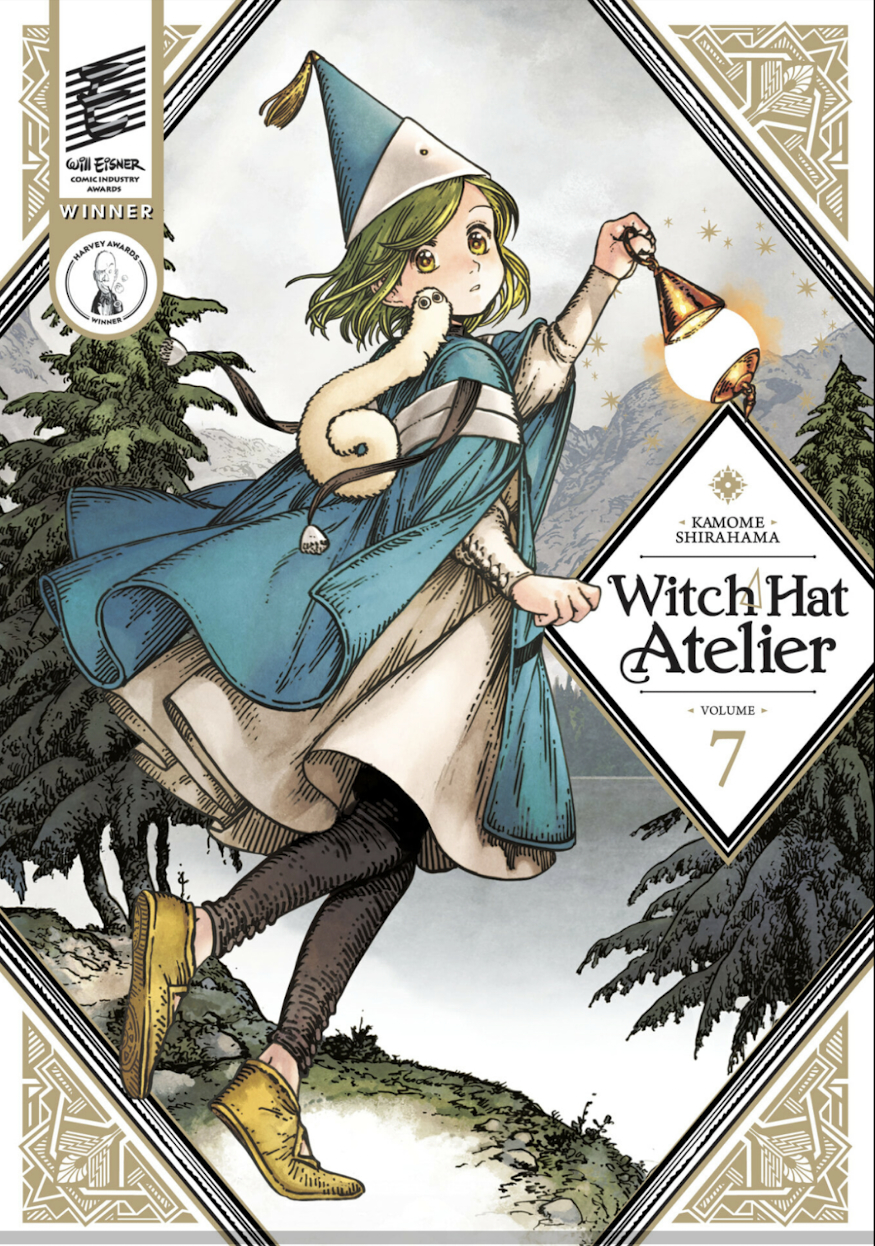
Witch Hat Atelier, Vol. 7 — Kamome Shirahama
I was bawling my eyes out in this volume. Volume 6 ended on a mysterious statement from Beldaruit to Coco regarding Qifrey, and here we finally get the answer: why Qifrey is so obsessed with finding the Brimmed Caps, what he lost to them, and what his true goal is. Beldaruit's explanation sends Coco into an emotional spiral, and watching her break down, crying out to Qifrey about how scared she was, broke me too. The way Qifrey comforted her showed how much he genuinely cares for her, and that was only reinforced earlier when Olruggio questioned whether Qifrey was keeping Coco around just to get to the Brimmed Caps. His words and actions proved otherwise. He's still scary, Qifrey, and there's clearly still something he's keeping to himself. But I can say with confidence that Coco's trust in him is not misplaced. There is a far more complex reason behind his actions, and I can't wait to uncover it. What stays with me most is Coco's choice: when given the chance, she chose to pave her own path to help those in need, and not just for her own sake.